Reflections And Raytracing Guide for GTA 6
Welcome to the comprehensive reflections and raytracing guide for GTA 6. This guide covers everything you need to know about implementing, optimizing, and troubleshooting advanced lighting techniques in GTA 6, whether you're using native raytracing features, ENB configurations, or ReShade shaders. This reflections and raytracing guide is designed for both newcomers seeking better visuals and experienced modders looking to fine-tune their graphics setup for maximum realism.
Prerequisites
Before diving into reflections and raytracing gta 6 modifications, ensure you meet these requirements:
- GTA 6 installed with latest updates
- NVIDIA RTX 2060 or AMD RX 6600 XT minimum for hardware raytracing
- At least 8GB VRAM recommended
- Latest GPU drivers installed
- Basic understanding of graphics settings
- Backup of your game files
Understanding Reflections And Raytracing in GTA 6
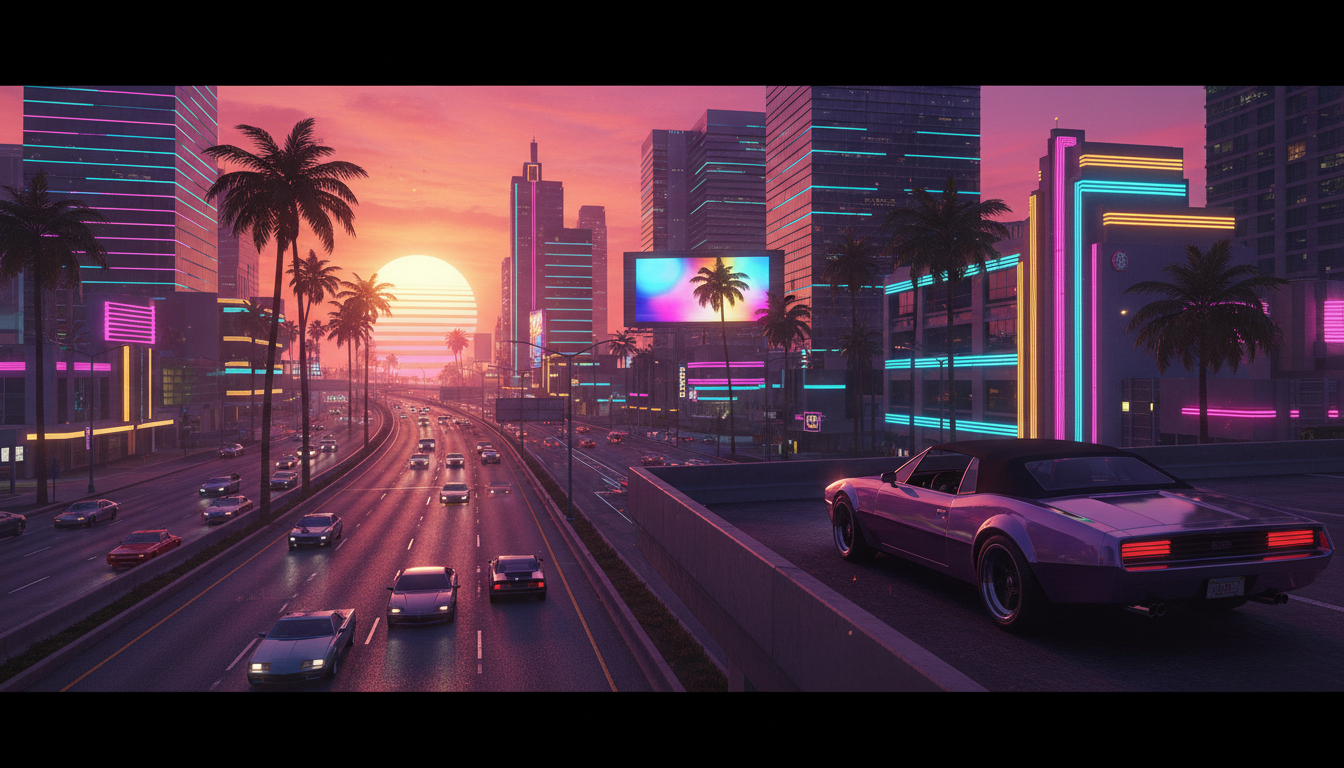
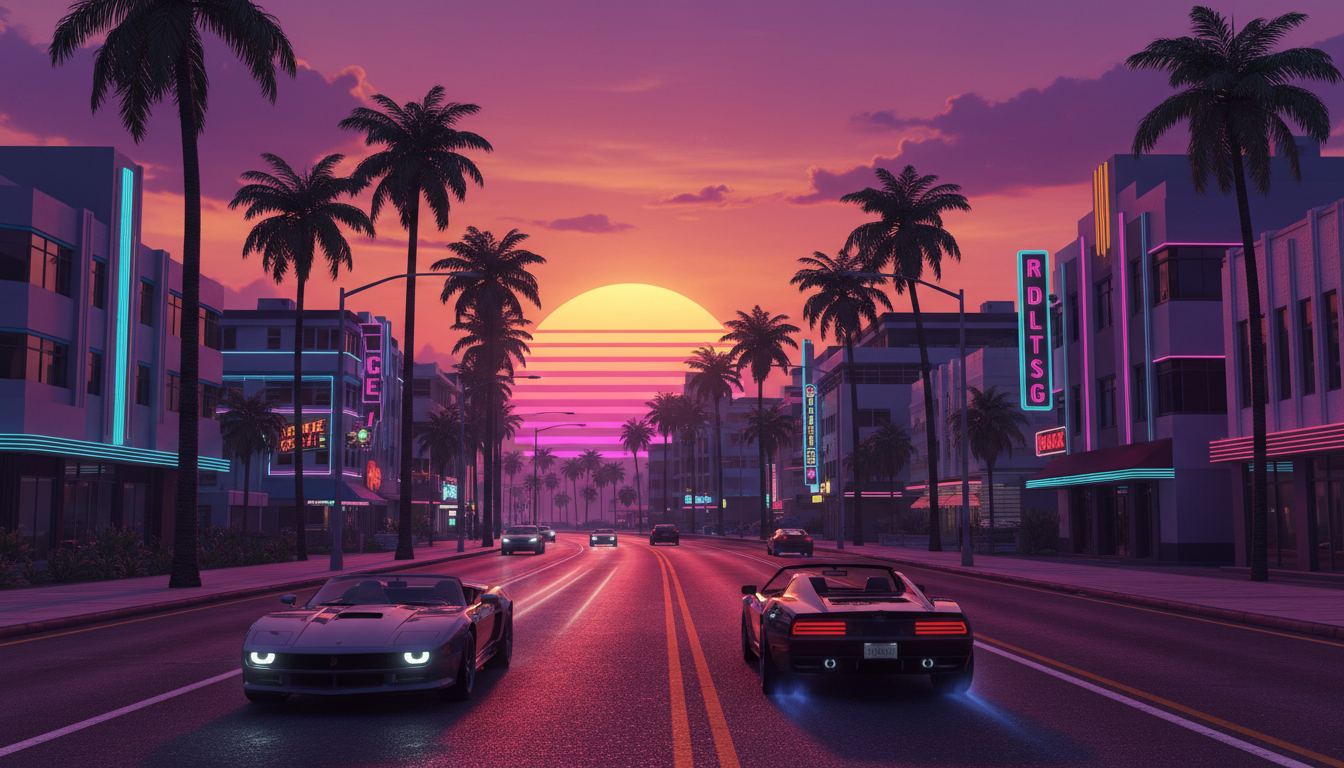
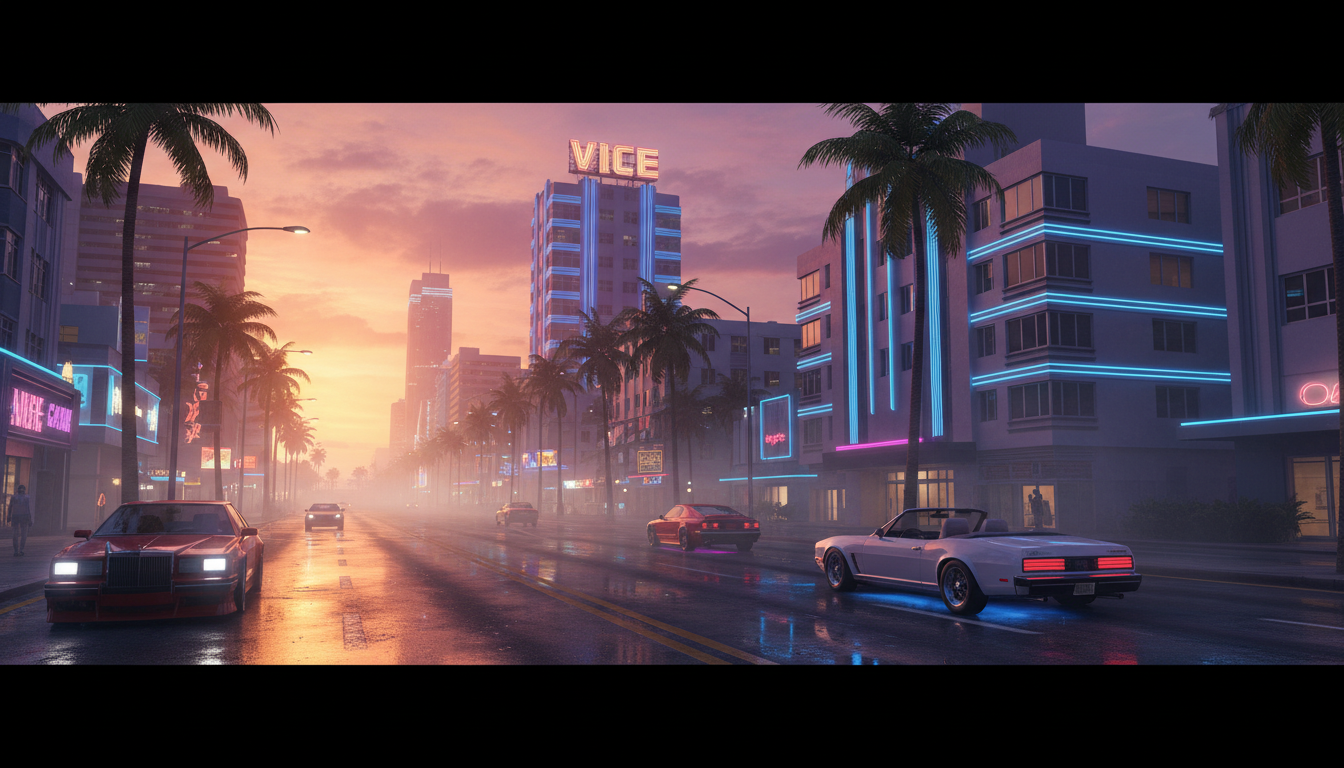
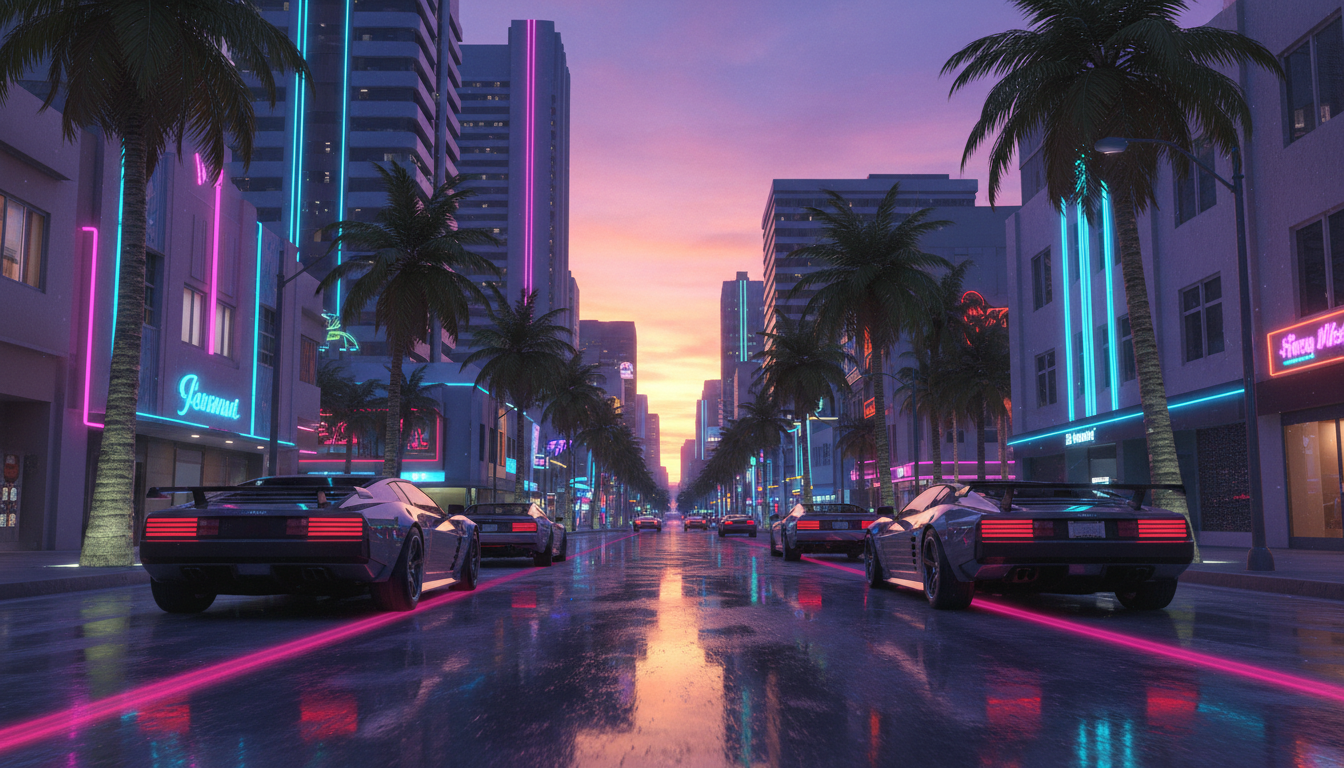
Raytracing simulates realistic light behavior by tracing the path of light rays as they bounce off surfaces. In GTA 6, this technology dramatically enhances reflections on wet streets, vehicle paint, windows, and water surfaces. The reflections and raytracing gta 6 system includes screen-space reflections (SSR), planar reflections, and hardware-accelerated ray-traced reflections depending on your setup.
Native vs Enhanced Raytracing
GTA 6 includes built-in raytracing support, but modders can enhance these effects through ENB presets and ReShade shaders. Understanding the difference helps you choose the right approach for your system.
Raytracing Methods Comparison
| Method | Performance Impact | Visual Quality | VRAM Usage | Compatibility |
|---|---|---|---|---|
| Native RT (Low) | 15-20% FPS loss | Good | 2-3GB | RTX/RDNA2+ |
| Native RT (High) | 35-45% FPS loss | Excellent | 4-6GB | RTX 3060+ |
| ENB Raytracing | 20-30% FPS loss | Very Good | 3-4GB | All GPUs |
| ReShade RT | 10-15% FPS loss | Good | 1-2GB | All GPUs |
| Hybrid (Native + ENB) | 40-50% FPS loss | Outstanding | 6-8GB | RTX 3070+ |
Installing Hardware Raytracing Support
To enable reflections and raytracing guide gta 6 features with hardware acceleration, follow these steps:
- Launch GTA 6 and navigate to Settings > Graphics
- Scroll to the Advanced Graphics section
- Enable "Raytracing" toggle (requires compatible GPU)
- Set "Reflection Quality" to High or Ultra
- Configure "Ray Reconstruction" to Quality or Performance based on your system
- Enable "DLSS" or "FSR" to recover performance
- Apply settings and restart the game
- Test performance in various lighting conditions
- Adjust individual RT features (reflections, shadows, global illumination) as needed
- Fine-tune the balance between visual quality and framerate
Enhancing Reflections with ENB
ENB (Enhanced Natural Beauty) provides additional reflection enhancements that complement or replace native raytracing. The latest ENB versions for GTA 6 include advanced reflection algorithms.
Key ENB Reflection Features:
- Screen-space reflections with improved algorithms
- Wetness reflections for rain and puddles
- Mirror-like reflections on vehicles and glass
- Parallax-corrected cubemap reflections
- Reflection intensity and blur controls
- Distance-based reflection fade
To configure ENB reflections, edit the enbseries.ini file in your GTA 6 directory:
[REFLECTION]
EnableReflection=true
ReflectionPower=2.5
ReflectionQuality=2
WetnessAmount=1.0
ScreenSpaceReflection=true
ReShade Raytracing Shaders
ReShade offers screen-space raytracing shaders that simulate raytraced effects on any GPU. Popular shaders include:
- qUINT_RT: Screen-space path tracing for global illumination
- RTGI (Ray Traced Global Illumination): Indirect lighting simulation
- SSR (Screen Space Reflections): Enhanced reflection shader
- MartysMods RT: Advanced raytracing suite
Install ReShade raytracing shaders by downloading the shader pack and placing files in reshade-shaders/Shaders/ directory.
Performance Optimization Strategies
Balancing visual quality with performance is crucial for reflections and raytracing gta 6 setups.
Optimization Checklist:
- Use DLSS/FSR/XeSS upscaling to recover FPS
- Reduce raytracing bounce count from 3 to 1-2
- Lower reflection resolution scale to 0.5-0.75
- Disable RT for distant objects beyond 50 meters
- Use selective raytracing (reflections only, not shadows)
- Close background applications consuming VRAM
- Update to game-ready drivers
- Consider hybrid approach: native RT for reflections, ENB for other effects
Configuration Files and Paths
Important file locations for managing your reflections and raytracing guide gta 6 setup:
- Game settings:
Documents/Rockstar Games/GTA VI/Settings/ - ENB configuration:
GTA6/enbseries.ini - ReShade settings:
GTA6/ReShade.ini - Shader cache:
GTA6/shadercache/
Troubleshooting Common Issues
Black or Missing Reflections
If reflections appear black or don't render, verify that reflection probes are enabled in graphics settings. Check ENB logs for errors related to reflection buffer creation. Increase VRAM allocation in ENB settings if available memory is low.
Flickering Reflections
Flickering typically results from TAA conflicts. Disable in-game TAA when using ENB or ReShade. Adjust reflection temporal filtering in ENB settings. Update to the latest shader versions.
Performance Drops in Rain
Wet surface reflections are demanding. Reduce wetness multiplier in ENB from 1.0 to 0.6. Lower puddle reflection quality or disable dynamic puddles. Consider using simplified rain shaders.
Artifacts Around Screen Edges
Screen-space methods have limitations at screen boundaries. Enable edge fade in shader settings. Increase reflection fade distance. Use hybrid reflection methods that combine screen-space with cubemaps.
FAQ
Q: Can I use raytracing on non-RTX GPUs for GTA 6?
A: Yes, but with limitations. AMD RDNA2+ cards (RX 6000/7000 series) support hardware raytracing. For older GPUs, use ReShade or ENB screen-space methods that simulate raytraced effects without dedicated RT cores. Performance will vary significantly.
Q: How much performance will I lose with full raytracing enabled?
A: Expect 30-50% FPS reduction with maximum raytracing settings. Use DLSS Quality mode to recover 20-30% of lost performance. Selective raytracing (reflections only) typically costs 15-25% FPS, which is more manageable for most systems.
Q: Should I use ENB or native raytracing for the best reflections?
A: For RTX 3070 or better, native raytracing provides superior accuracy and detail. For mid-range cards, ENB offers better performance with good visual results. Advanced users can combine both: native RT for primary reflections and ENB for wetness and secondary effects.
Q: Why do reflections look different in photomode versus gameplay?
A: Photomode often uses higher quality reflection rendering with increased sample counts and resolution. To match this quality in gameplay, raise reflection quality settings, but expect significant performance impact. Some ENB presets include separate photomode configurations.
Q: Can I selectively enable raytracing for certain objects or areas?
A: Native GTA 6 raytracing is typically all-or-nothing per feature type. However, ENB and some advanced ReShade setups allow masking to exclude sky, distant objects, or specific materials from reflection processing. Edit depth buffer settings and create custom shader masks for selective application.
Conclusion
Mastering reflections and raytracing in GTA 6 requires balancing visual ambition with system capabilities. Start with native raytracing features if your GPU supports them, then layer ENB or ReShade enhancements for additional realism. Regular testing in diverse scenarios (daytime, rain, night, interiors) ensures your configuration performs well across all conditions. For related optimization guides, explore our texture enhancement and performance tuning articles to complete your visual overhaul.